

Our mission is to develop a low-cost portable PCR platform and an open-source community around it with the hope of opening up access to diagnostics in remote locations.


Our Story
PCR instruments, despite existing for decades, remain inaccessible to many poor countries due to high costs. Although production costs can be as low as $400, these devices are sold for $5,000 to $25,000. With the technology now well understood and key patents expired, affordable PCR instruments are achievable. Led by Thomas Welsh, a veteran of the industry with 35+ years in product development, including eight in PCR instruments, the project launched in 2025, aiming to remove barriers to global diagnostic access.
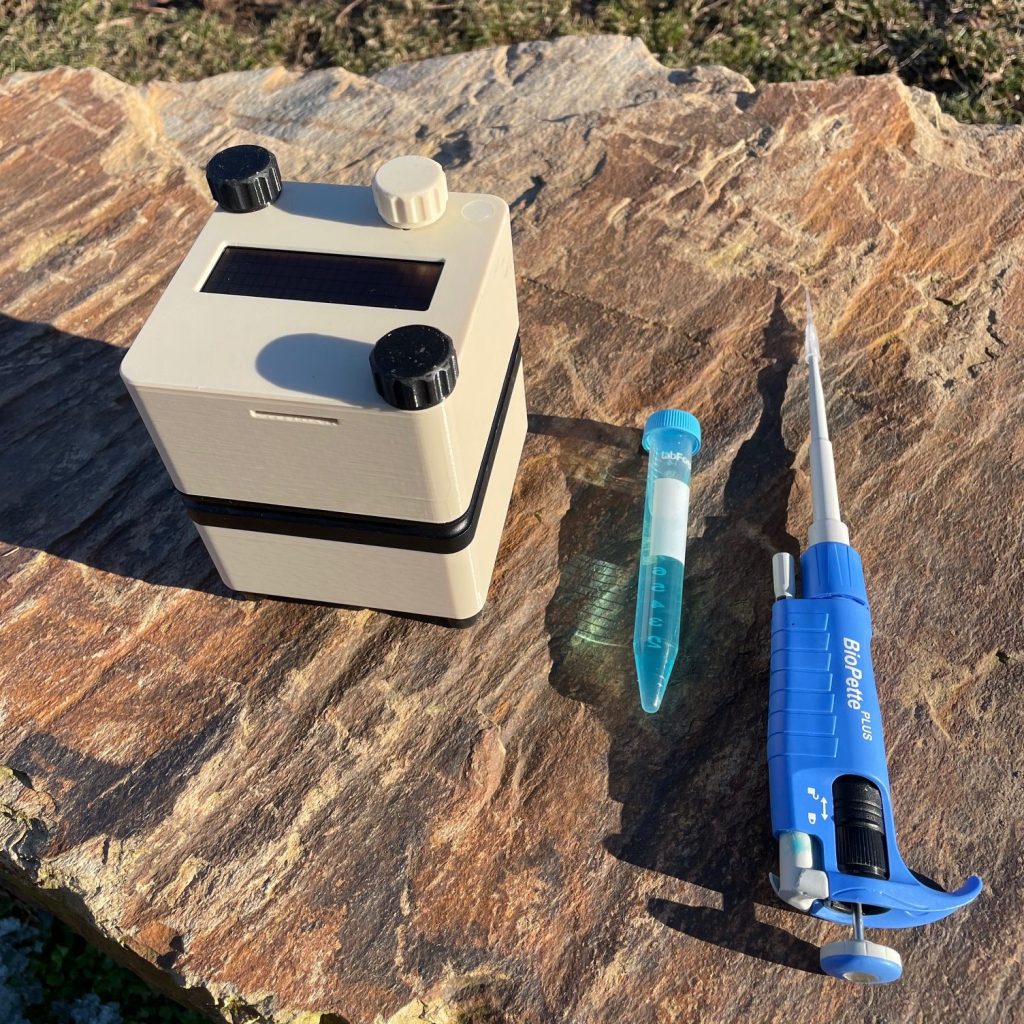
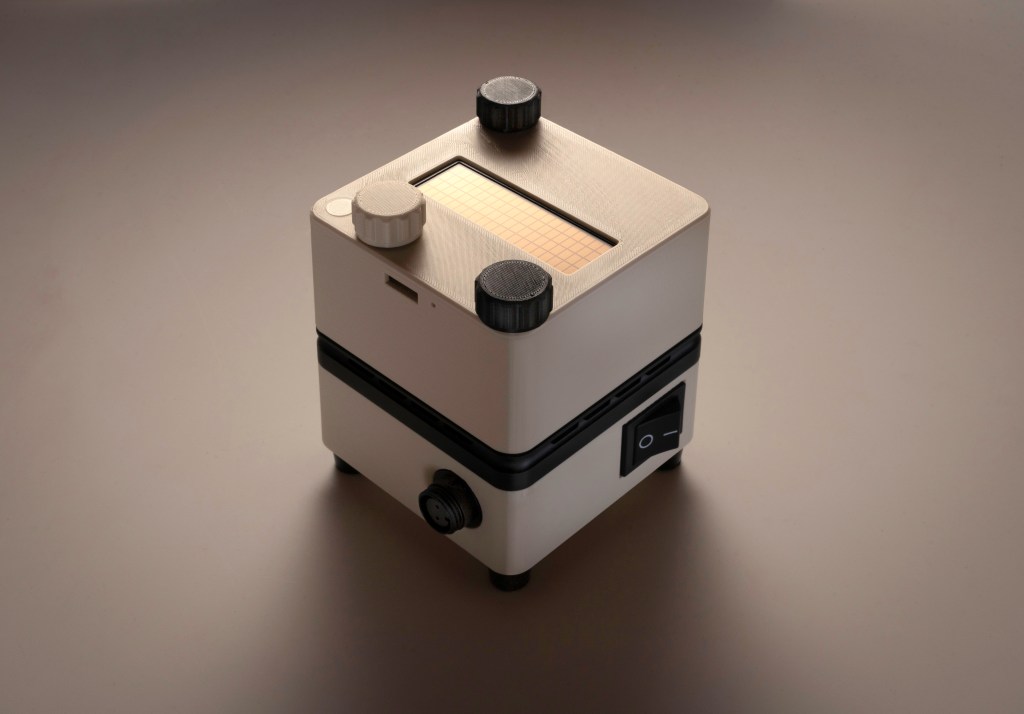
Our Purpose
Our mission is to democratize access to advanced DNA analysis by designing, developing, and distributing low-cost, robust, and open-source DNA analysis instruments. We aim to empower researchers, students, and biologists, particularly those working in resource-limited settings, by providing complete instruments, DIY kits, and freely available design plans. Through our commitment to open-source principles, we seek to foster innovation, collaboration, and accessibility in molecular biology, enabling individuals and organizations worldwide to advance scientific discovery and education.


Our Goal
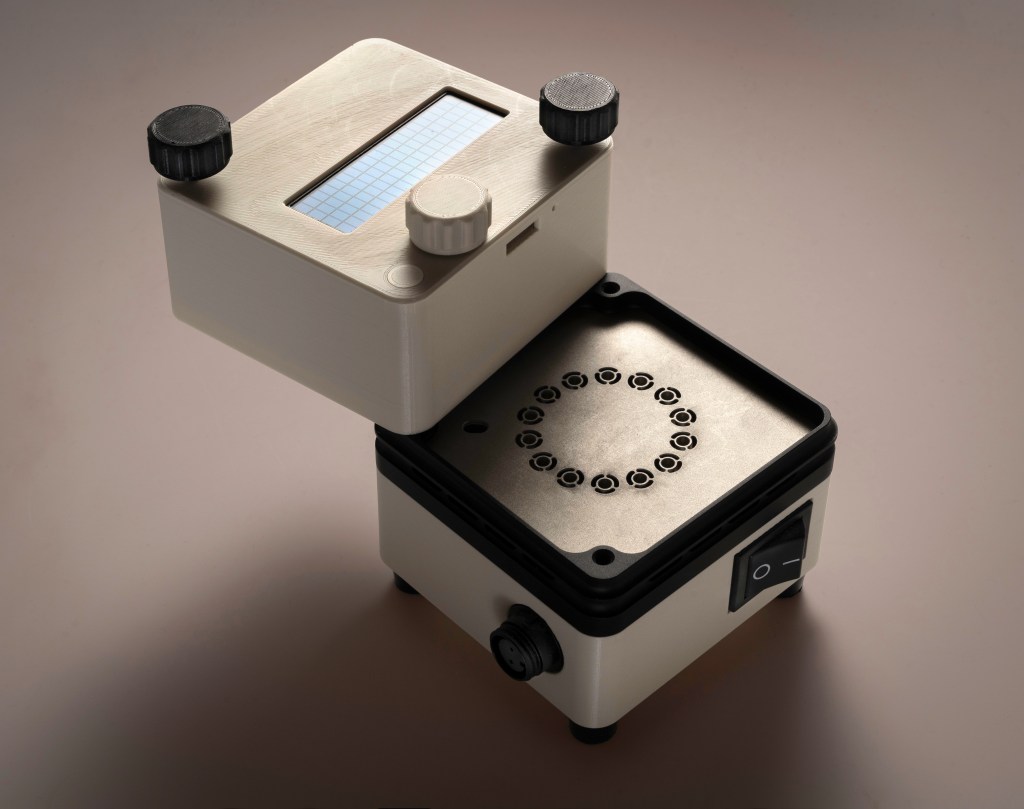
The goal is to create an open-source PCR (polymerase chain reaction) platform that is easy to use, portable, and affordable, enabling widespread adoption regardless of geography or income.
Simple
Science is complex, but its tools shouldn't be. Collaboration with experts will ensure this DNA platform is intuitive and user-friendly.
Affordable
Portable PCR instruments enable research and healthcare in remote areas, providing diagnostics and treatment where access is limited.
Portable
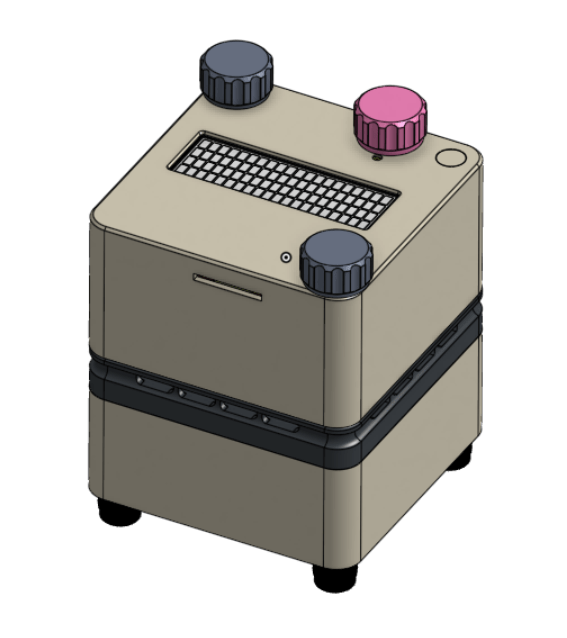
PCR instruments are vital but costly, with top models priced at $15,000–$30,000. A portable version handling 12 samples can be produced for under $1,500, enabling a sub-$5,000 price at scale.
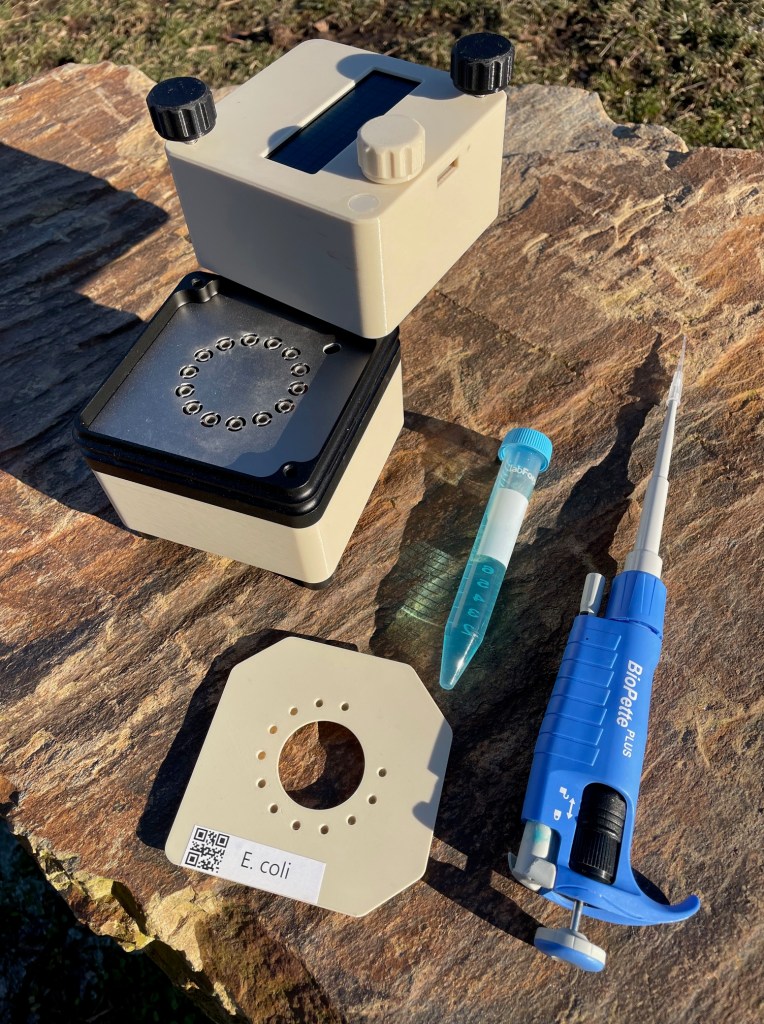
Education Platform
DNA, the "blueprint of life," is invisible but detectable with PCR. This process amplifies a unique DNA segment, attaching fluorescent probes to create billions of visible copies in about an hour. Real-time quantitative PCR measures fluorescence to confirm an organism's presence and quantify DNA, aiding in diagnostics, illness progression, and more. Since its invention by Nobel laureate Kary Mullis in 1985, PCR has revolutionized fields from healthcare to forensics. This instrument aims to inspire the next generation by showcasing the limitless potential of PCR.
About the Founder
About the FounderThomas Welsh is a product development engineer (BSME Drexel University, 1987) who has spent the last 40 years helping companies, large and small, develop products and get them to market. These products have ranged from medical products to toys. His approach to product development starts with user needs, is driven by risk, is grounded in a broad understanding of manufacturing processes, utilizes a hands-on iterative prototype-test-fail approach, and follows GDP. He has focused on products that have a positive impact on society throughout his career. It was his work at Siemens Healthcare and Biomeme that introduced him to DNA analysis and the instruments used in that field. At Biomeme he played a senior role in the development of instruments and consumables which were key to the company's success. Thomas is an outdoors enthusiast and enjoys, running, swimming, cycling, rock climbing, surfing, dancing, skateboarding, hiking, tennis, and most recently, disc golf.

 Daisy Bio